


Wireless charging technology is a system which transfers electrical energy from one device to another wirelessly. This technology allows charging devices without a physical connection. It usually works based on the principle of inductive charging, while other methods such as resonance and capacitive loading may also be used.
How Does Wireless Charging Technology Work?
Basic Principles:
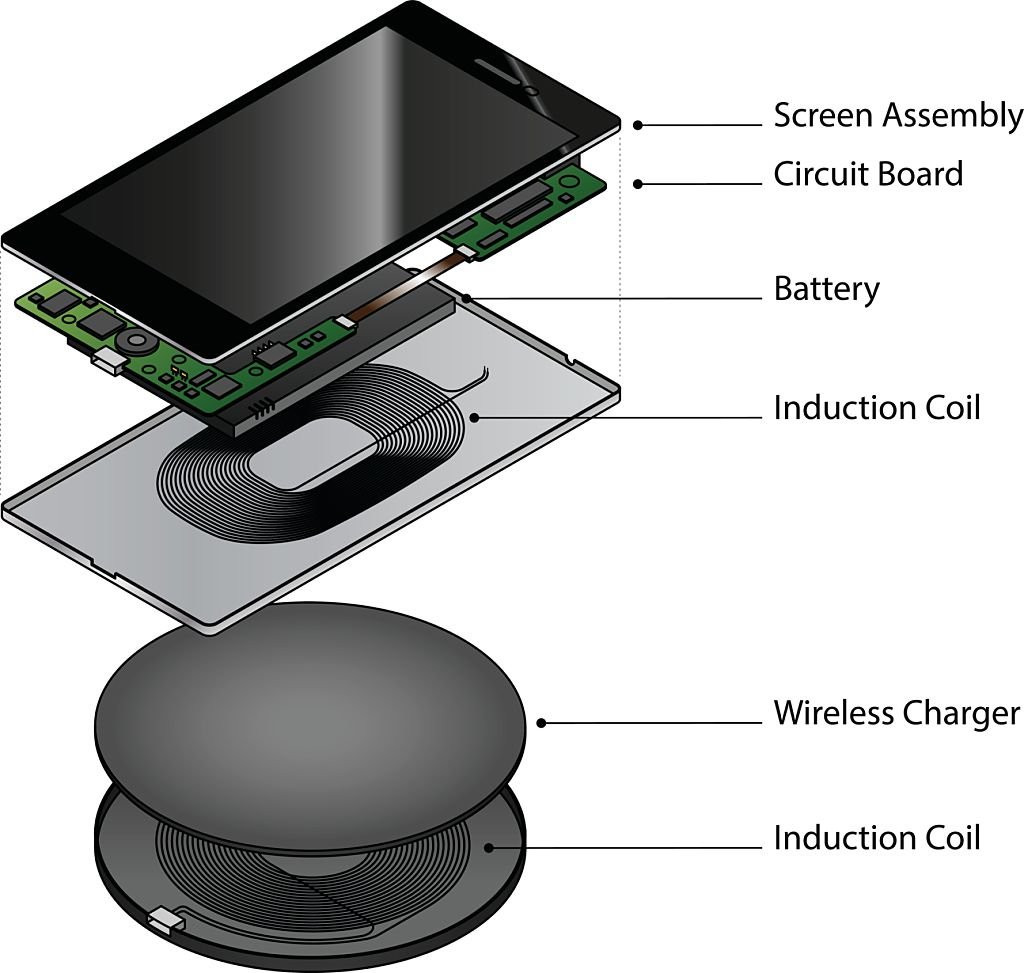
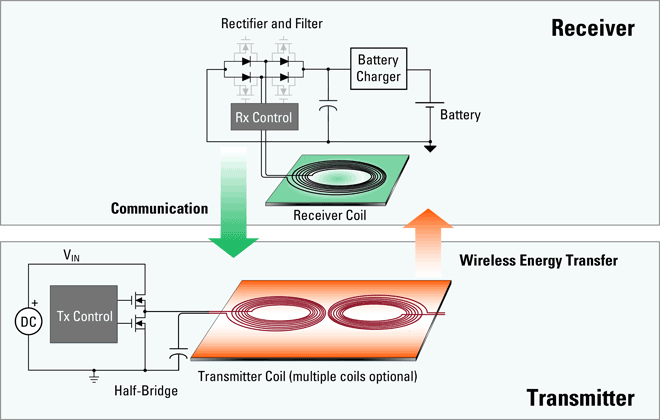
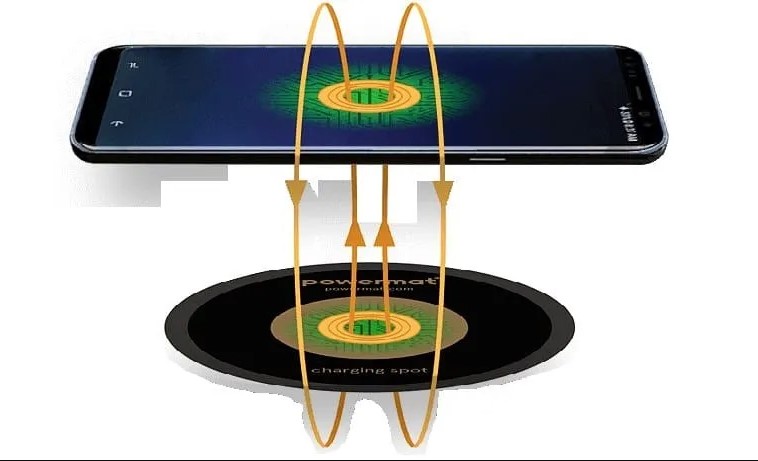
Inductive Loading: In this method, a charging base (or charging pad) and a charger (or receiver) are used. An inductor coil is located at the charging base, and this coil generates an alternating current (AC) signal. This signal generates a magnetic field. Another inductor coil in the charger detects this magnetic field and converts this magnetic field into electrical energy.
Resonance: In this method, the inductor coils between the charging base and the device are designed to resonate at a certain frequency. This resonance allows for more efficient energy transfer over longer distances.
Capacitive Loading: In this method, the electrical energy is transmitted between two capacitor plates, using alternating current. While this method is less common, it is still used in certain applications.
Energy Transfer:
The inductor coil on the charging base converts the electric current into a magnetic field.
The inductor coil in the charger detects this magnetic field and converts it into electric current.
The resulting electric current is transmitted to the device that will be charged.
Charging:
The charger performs the charging process by storing this electric current on the battery.
Areas of Use
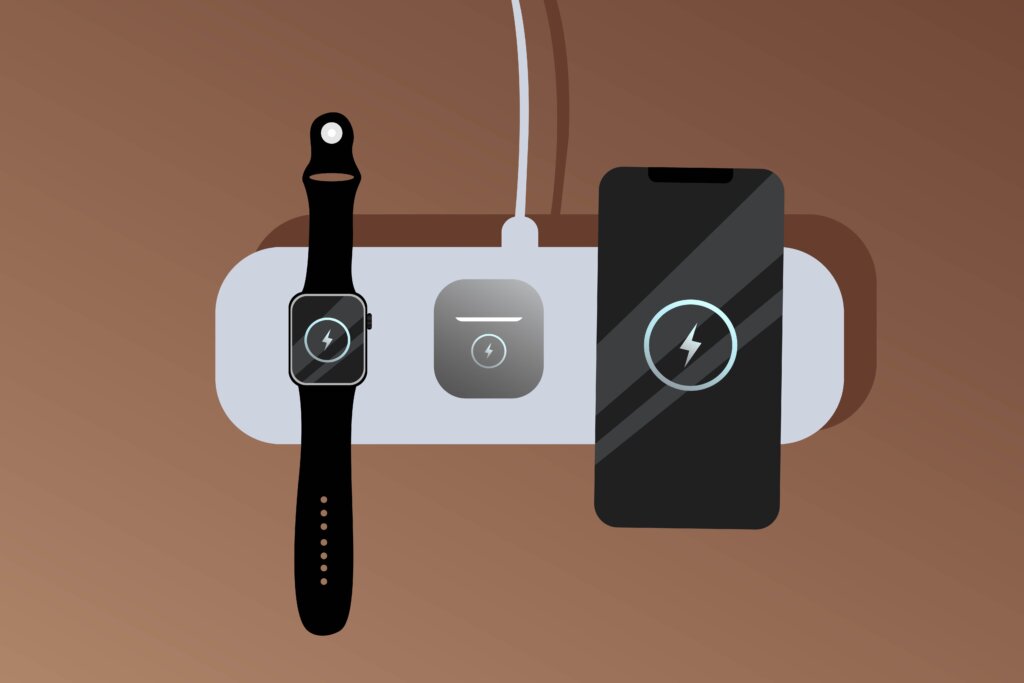
Smartphones and Electronic Devices: Wireless charging mats and pads are widely used for smartphones, tablets and other mobile devices.
Wearable Technologies: Smart watches, fitness wristbands and other wearable devices can be charged wirelessly.
Electric Vehicles: Wireless charging systems can be used at the electric vehicle charging stations. This allows the vehicle to be charged at the point where it is parked.
Medical Devices: Medical implants and devices can be charged with wireless charging technology for improved hygiene and safety.Industrial Applications: Wireless energy transfer can be used in industrial automation systems and robots.
Advantages
Ease of Use: They can be easily charged without any cable.
Water and Dust Resistance: In indoor areas, they are more durable than cable connections.
Hygiene: They provide hygienic benefits, particularly in medical devices and wearable technologies.
Disadvantages
Efficiency: Wireless charging usually offers lower efficiency and longer charging times compared to cable charging.
Cost: Wireless charging systems are usually more expensive.
Limited Range: The distance between the charger and the battery is limited and requires a direct contact or close distance.
This technology offers a charging solution that is easy to use and suitable for the needs of modern life, while some factors such as low efficiency and high cost must be taken into account as downsides.
