


An RF Cable is a special type of cable designed to transmit Radio Frequency (RF) signals. These cables have been developed to carry high-frequency signals between devices with low loss. RF cables have the capacity to operate at high frequency with minimal signal loss and interference, and play a critical role in applications such as TV broadcasting, wireless communication, satellite connections and radar systems.
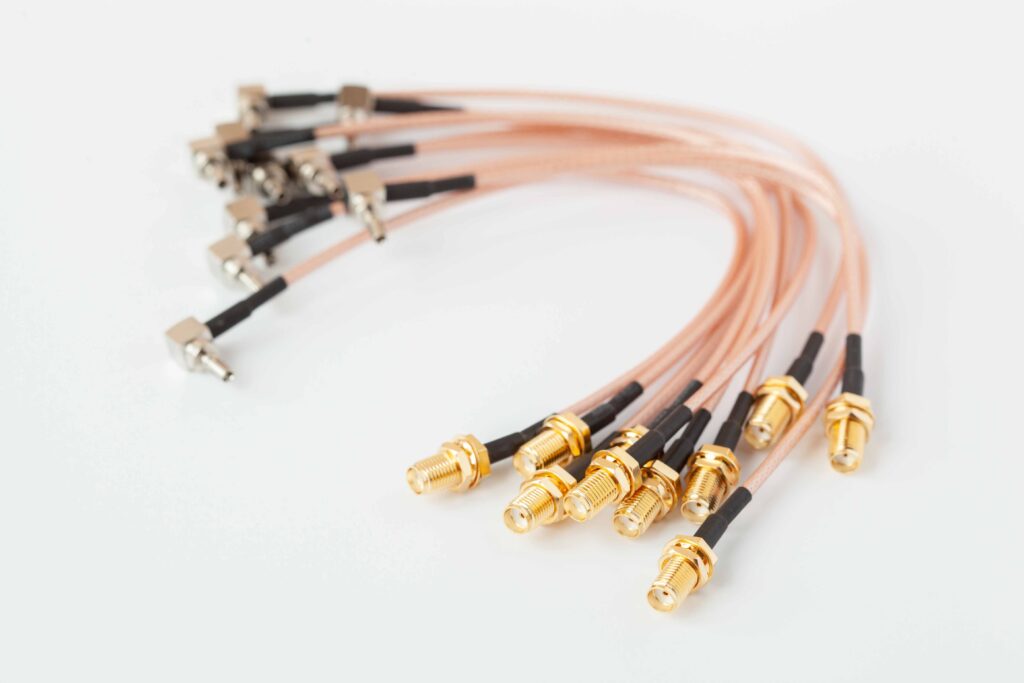
These cables are meticulously designed to minimize signal loss and provide protection against interference from external factors. They also provide impedance with high accuracy, offering efficient signal transmission and safe propagation.
RF cables provide high-quality data transmission with minimal loss and distortion, maintaining signal integrity over long distances. These are extremely important, especially in areas where sensitive and reliable data transmission is critical, such as military communications and medical equipment.
Structure of RF Cables
Radio frequency (RF) cables consist of a central conductor surrounded by a dielectric insulator and an outer conductor shield. The central conductor, typically made of copper or aluminum, is responsible for the transmitting the electric signals.
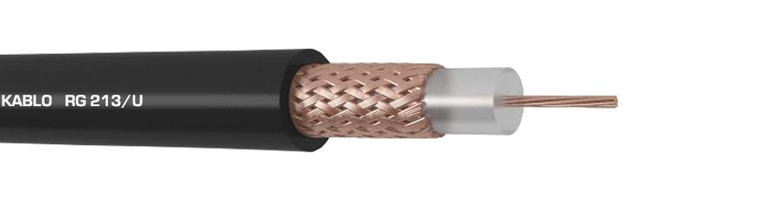
Central Conductor: It is usually made of a copper or aluminum metal wire. This conductor is the main component that carries the signal.
Insulating Layer: It is between the inner conductor and the outer shield. This layer is used to reduce signal loss and protect the signals against external factors. It usually consists of insulating materials.
External Shield (Shielding): It provides protection against external factors, especially electromagnetic interference (EMI). This shield can be in the form of a metal wire or mesh, and prevents signal interference.
Outer Insulating Sheath: Lastly, there is an outer sheath that protects the outer part and ensures that the cable is protected against physical damage.
Types of RF Cables
Coaxial Cable
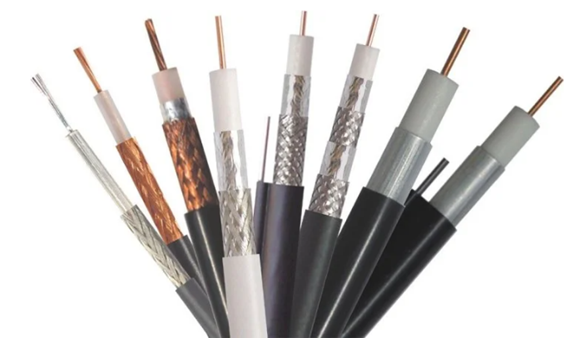
Coaxial cables are the most common type of transmission line for RF signals. These cables consist of a conductor at the center, a dielectric insulator around it, an outer conductive shield and an outer protective sheath. Coaxial cables are used in a large number of applications such as TV broadcasting, internet connections, satellite communications and wireless networks.
Sub Types:
- RG-6: It is used in TV antenna and Cable TV applications.
- RG-8: It is used in local area networks.
- RG-11: It is used in TV antenna and Cable TV applications.
- RG-58: It is used in standard Thinnet computer networks.
- RG-59: It is usually used for transmitting the video signals.
- RG-62: It is used in IBM 3270 Terminals and ArcNet networks.
Twin Axis Cable
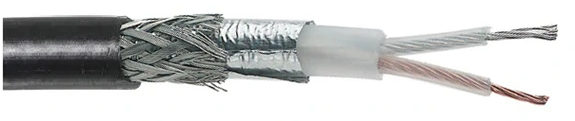
They have two internal conductors separated by an insulating material. They offer better noise rejection and faster data transfer compared to coaxial cables. Biaxial cables are usually used in high-speed data transmission tasks, such as Ethernet networks, serial data communication and video surveillance systems.
Triaxial Cable
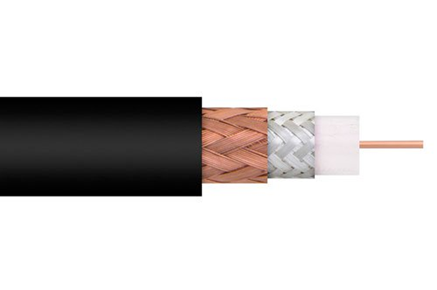
Triaxial cables are similar to coaxial cables, but they also include an additional external conductor to ensure protection against interference and noise. They are often used in applications that require a high level of signal integrity, such as medical imaging equipment and industrial measurement systems.
The Importance of Impedance and Loss
In order for radio frequency (RF) cables to minimize signal loss while ensuring optimal performance, it is essential to correctly understand two important factors as “impedance” and “loss”. These factors ensure the efficient operation of the cables and the correct realization of signal transmission.
Below are the details of these two important factors:
Impedance
Impedance refers to the characteristic impedance of the cable and is measured in ohms. The impedance of the cable determines the voltage-current ratio of the signal entering the cable. This ratio ensures that the signal is transmitted correctly.
In RF systems, the impedance of the cable must be compatible with the devices and systems you are connecting, to prevent signal loss and reflection. Reflection can cause the signal to bounce back from the cable, leading to disruptions in data transmission. RF cables usually have an impedance of 50 ohm or 75 ohm. 50 ohms is the standard impedance value for most RF applications and is widely used. 75 ohms is usually preferred in TV broadcasting and satellite communications. Selecting the correct impedance is essential, as an impedance mismatch leads to signal loss and distortion.
Loss
Loss is the case when the RF signal experiences a power loss when passing through the cable. This occurs as a result of signal weakening during transmission and can affect the signal quality. The loss varies depending on several factors:
Conductive Material: The inner conductor of the cable (usually copper or aluminum) affects the signal transmission. The resistance of this material can affect the loss.
Dielectric Loss: The dielectric material of the cable may cause loss during signal transmission. Dielectric losses lead to weakening of the signal.
Impedance Mismatch: In case of an impedance mismatch, a part of the signal may be reflected (bounced) back, which leads to losses.
The loss is usually measured in decibels (dB) and expressed per unit length (for example, dB/ft or dB/m). This loss is directly proportional to the frequency; in other words, more loss occur at higher frequencies.
Low-loss cables are used for long-distance transmissions or in situations where it is critical that signal attenuation is minimal. Such cables provide a high-quality signal transmission by reducing the loss.
Types of RF Connectors
Connectors play a critical role in ensuring uninterrupted and reliable signal transmission in radio frequency (RF) cables. Since there are various types of connectors, it is essential to choose the one that best suits the application in hand and the cable type you are using.
When choosing a suitable connector for your RF cable, it is necessary to consider factors such as impedance matching, frequency range, power processing capacity and environmental factors. The correct choice of connectors minimizes signal loss and interference, ensuring optimal signal transmission.
Below are the most common types of RF connectors:
BNC (Bayonet Neill-Concelman) Connectors
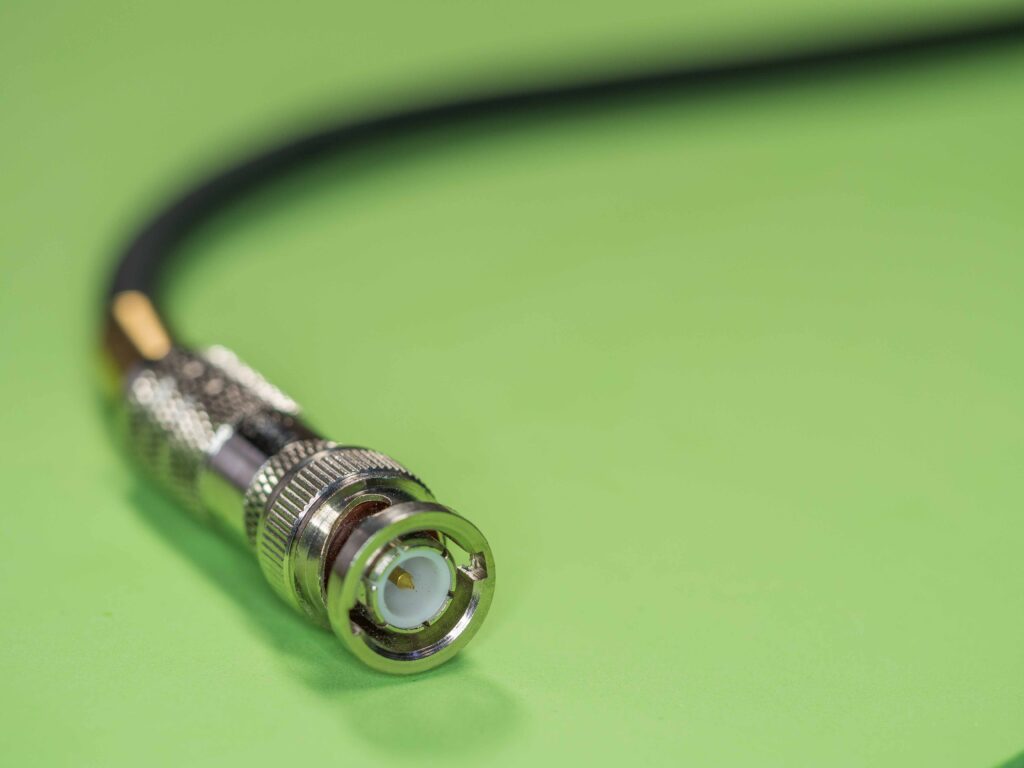
- Areas of Use: They are usually used in video systems, test equipment and low frequency RF applications.
- Features: BNC connectors offer a secure connection via a bayonet (rotating insertion) mechanism. There are two impedance values available, 50 ohm and 75 ohm. They offer high frequency transmission characteristics, which can operate at frequencies of up to 4 GHz.
- Advantages: Widely preferred with easy connection and quick disconnection feature.
N Type Connectors
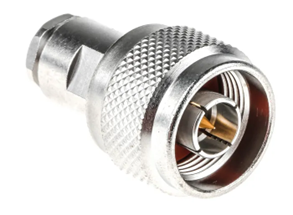
- Areas of use: They are used in radio communication, base stations and industrial RF applications.
- Features: N-type connectors usually have an impedance of 50 ohms, and are suitable for high power transmission. They are resistant to outdoor conditions with versions with a high protection class such as IP67. They offer high frequency transmission characteristics, which can operate at frequencies of up to 11 GHz.
- Advantages: They are suitable for high frequencies and strong signals, usually providing long-term reliable connections.
SMA Connectors
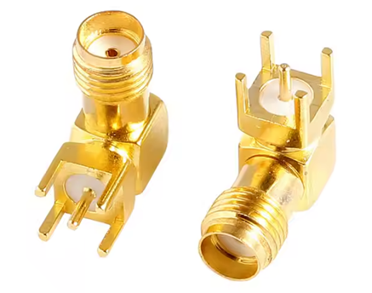
- Areas of use: They are widely used in high frequency applications, especially in telecommunications and wireless communication systems.
- Features: SMA connectors have an impedance of 50 ohms, which is generally suitable for small-sized connections. They are generally used in systems that can operate at frequencies between 1 GHz and 18 GHz, but some variants can also operate in frequencies of up to 26 GHz.
- Advantages: With their compact structure, excellent performance and high frequency capacity, they are suitable for use in small areas.
TNC (Threaded Neill-Concelman) Connectors
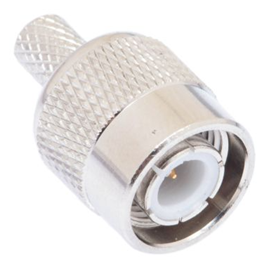
- Areas of use: They are generally used in outdoor applications and high frequency testing.
- Features: TNC connectors are similar to BNCs but offer a more robust connection, as the connection is made with a screw. They stand out with an impedance of 50 ohm and a wide frequency range. They are usually designed to operate in the frequency range of 0-11 GHz.
- Advantages: They provide a reliable connection at high frequencies and in harsh conditions.
Type F Connectors
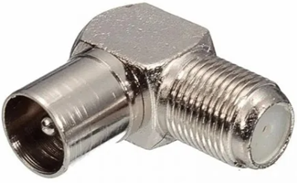
- Areas of use: They are widely used in TVs, satellite connections and home entertainment systems.
- Features: Type F connectors, usually with an impedance of 75 ohms, are a common option for transmitting TV signals and data. They are generally suitable for frequencies of up to 1 GHz, while some applications can be used up to 4 GHz.
- Advantages: Easy installation and low cost.
MCX Connectors (Micro Coaxial)
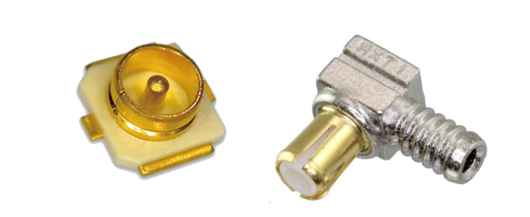
- Areas of use: They are generally used in compact devices and portable systems.
- Features: MCX connectors stand out for their small size and an impedance of 50 ohm. They are generally suitable for signals of up to 6 GHz.
- Advantages: They provide space saving in small areas, making them suitable for portable devices.
SMB Connectors (SubMiniature version B)
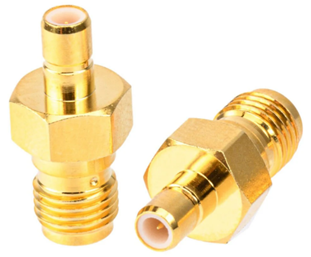
- Areas of use: High frequency applications, especially mobile communication and wireless devices.
- Features: SMB connectors are small and usually have an impedance of 50 ohms. They are generally suitable for signals of up to 4 GHz.
- Advantages: They are widely used in portable devices with their compact structures and reliable connections.
BMA Connectors (Bayonet Miniature A)
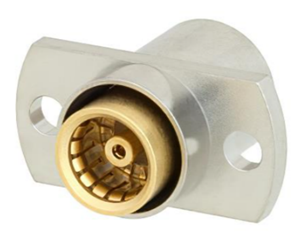
- Areas of use: They are used in high frequency applications, especially in applications such as radar systems, telecommunications, test and measurement equipment, and microwave communication systems.
- Features: The small and miniaturized design is ideal for use in limited areas, and offers the possibility to be used in applications of up to 50 ohm impedance and 4 GHz frequency.
- Advantages: Thanks to the bayonet connection, they offer fast and easy assembly/disassembly. They offer a robust structure and resistance to external factors in long-term use.
DIN7/16 Connectors
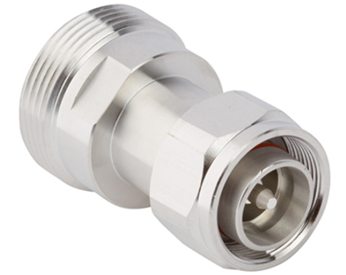
- Areas of use: They are used in high frequency applications, especially those such as radar telecommunications, test and measurement equipment, systems without antenna, and communication systems.
- Features: Thanks to the stainless steel and gold coating, they are ideal for long-term use and offer up to 50 ohm impedance and 8 GHz frequency.
- Advantages: With their screw type connection, they offer a stable and secure connection. They offer a robust structure and resistance to external factors in long-term use.
DIN1.0/2.3 Connector
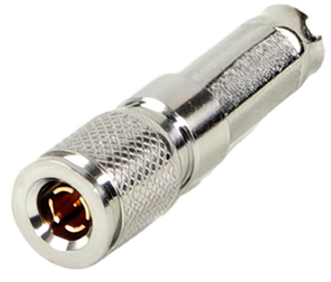
- Areas of use: They are used in high frequency applications, especially those such as radar telecommunications, test and measurement equipment, and communication/mobile communication systems.
- Features: Their compact size is ideal for use in limited areas, and offers the possibility to be used in applications of up to 50 ohm impedance and 10 GHz frequency.
- Advantages: Thanks to stainless steel and gold plating, they offer a stable and secure connection. They offer a robust structure and resistance to external factors in long-term use.
SMP (SubMiniature Version P) Connectors
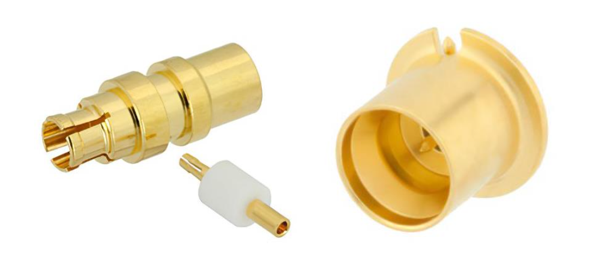
- Areas of use: They are used in high-frequency applications, especially those such as telecommunications, test and measurement equipment, satellite communication systems and high-speed data communication systems.
- Features: Their compact size is ideal for use in limited areas, and offers the possibility to be used in applications of up to 50 ohm impedance and 40 GHz frequency.
- Advantages: They offer fast and secure connection with their push-on connection type. They are manufactured from high quality materials and are durable in long-term use.
Fakra Connector
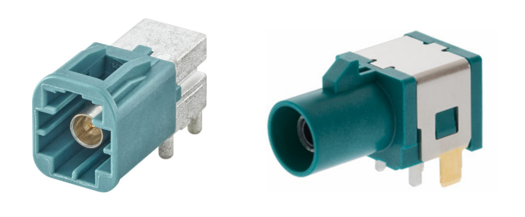
- Areas of use: These connectors are designed specifically for the automotive industry and high-frequency communication systems, and offer robust and reliable connections. They are widely used in applications such as GPS systems, radio transceivers and camera systems.
- Features: Their compact size is ideal for use in limited areas, and offers the possibility to be used in applications of up to 50 ohm impedance and 4 GHz frequency.
- Advantages: With their encrypted design, they prevent false connections and offer fast and secure connections. Screw-in or locked connection mechanisms are designed for secure and stable connection.
Areas of Application of RF Cables in Various Industries
RF cables are integrated components in various industries and provide efficient and reliable signal transmission in several applications. The main industries where these cables are widely used are;
Telecommunications: RF cables form the backbone of modern telecommunication networks and facilitate seamless connection and efficient data transfer between antennas, base stations and communication devices. They are a “must” for mobile networks, satellite communications and wireless systems.
Broadcasting and Media: In TV and radio broadcasting, RF cables are essential in transmitting audio, video and data signals from studios to transmission towers. They ensure the smooth transmission of high-quality broadcast and multimedia content by maintaining signal integrity and minimizing interference.
Aerospace and Defense: RF cables are widely used in aerospace and defense industries for communications, radar systems and electronic warfare applications. They must withstand extreme environmental conditions to ensure reliable and secure data transmission in critical military operations.
Medical and Health: RF cables facilitate signal transmission between different components of medical equipment such as MRI machines, X-ray systems and ultrasound devices, providing accurate diagnosis and effective treatment in medical facilities.
Automotive: RF cables are a “must” for various automotive applications, such as GPS navigation systems, satellite radio, and wireless connection for infotainment systems. They improve the driving experience by providing reliable communication between different automotive components and activating advanced features in modern vehicles.
Industrial and Manufacturing: RF cables are essential for connecting sensors, actuators and other devices in industrial automation and control systems, ensuring smooth operation and efficient data transfer. They are also important for wireless communication in industrial IoT applications and they provide real-time monitoring and control of manufacturing processes.
Research and Scientific Institutions: RF cables are widely used in scientific research institutions and laboratories for various applications, including signal analysis, measurements and experimental installations. They provide accurate and precise data acquisition in scientific experiments by helping to maintain signal integrity and minimize signal loss.
Other Applications: RF cables are widely used in many fields where high frequency equipment or devices are used. Some of these include ships, navy instruments, satellite internet receivers, radio communication devices.
