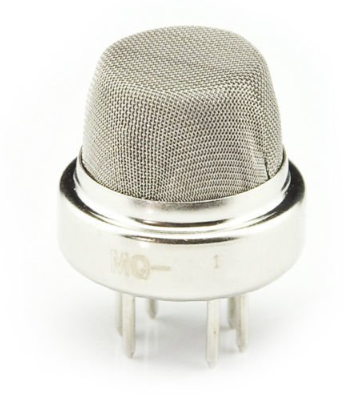
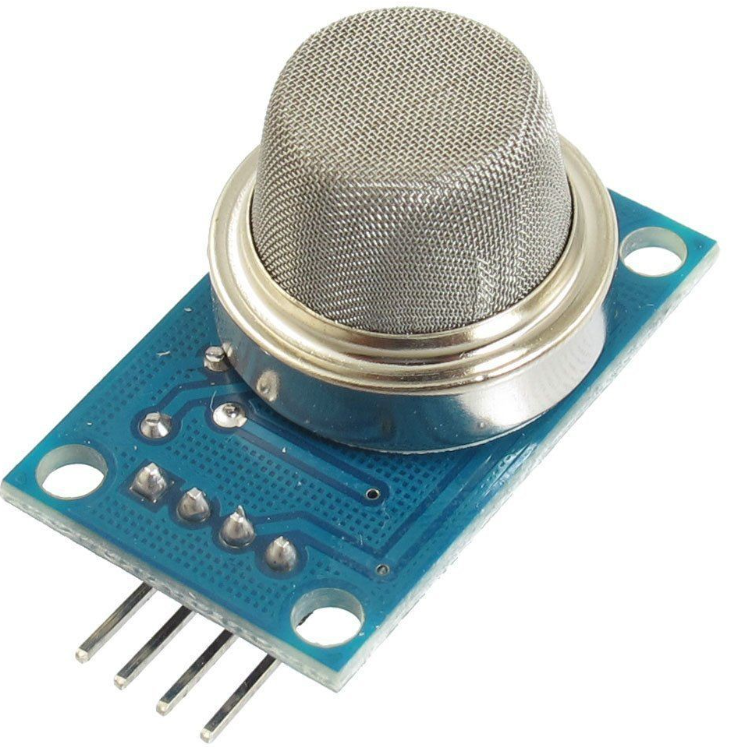
Sensors are the devices that detect physical events or variables in our environment and convert this information into an electronic signal. This electronic signal is usually processed by a control system or data acquisition unit, allowing the systems to work more efficiently. They are used in a variety of applications and often play a critical role in measurement and control systems. For example, sensors in the engine control unit of a vehicle monitor the engine’s temperature, oil pressure and other major parameters to ensure that the engine operates with optimal performance.
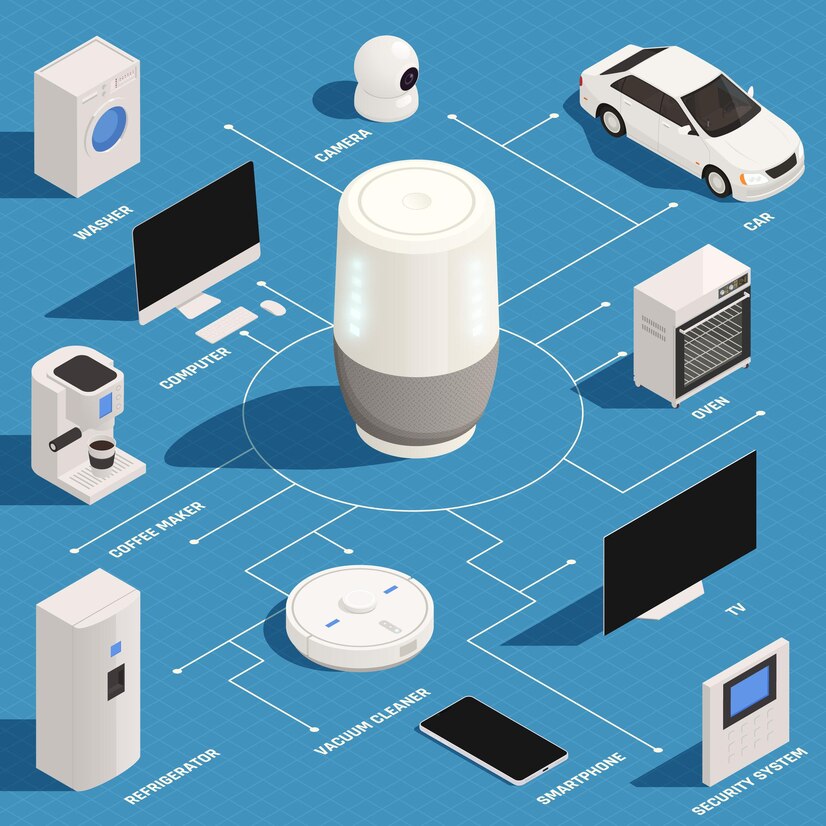
The benefits of sensors used in electronic devices include:
Automatic Control and Monitoring
- Real-Time Data: The sensors automatically react by monitoring the environmental conditions and device status in real time.
- Error Detection: Sensors provide early warnings by detecting anomalies or malfunctions in the system. This can prolong the device’s service life and reduce maintenance requirements.
Energy Efficiency
- Energy Saving: Sensors optimize energy consumption by ensuring that the device works “only when it is necessary”. For instance, a motion sensor allows a lighting system to turn on only when someone is in the room.
- Dynamic Settings: Sensors that optimize energy consumption allow the device to automatically adjust according to environmental conditions. For example, an auto-dimming sensor can adjust the screen brightness according to daylight.
Security and Protection
- Warnings Before Accidents Occur: Sensors that detect potential hazards such as gas leaks, smoke, water leaks or movement warn the devices or users in advance, allowing for a rapid response in emergency situations.
- Access Control: Touch and biometric sensors are used to provide secure access. For example, fingerprint readers and facial recognition sensors ensure that only authorized people have access to the devices.
Data Collection and Analysis
- Performance Monitoring: Sensors constantly monitor the device’s performance and collect data. This data can be used to evaluate and improve device efficiency.
- Trend Analysis: Long-term data collection allows analyzing user habits or device performance. For example, a smart-watch analyzes health trends by tracking the user’s physical activities.
Precision and Accuracy
- High Accuracy: The sensors can measure various parameters with high accuracy, making the devices work more reliably. For instance, a sensitive pressure sensor provides accurate pressure measurements in industrial applications.
Working Principles of Sensors
Detection: The sensor detects the physical variable (temperature, pressure, light, etc.) that it aims to measure. This stage is the sensor’s ability to detect environmental variables.
Conversion: The detected physical variable is converted into an electrical signal by the sensor. This conversion process varies depending on the type of sensor. For instance, in temperature sensors, a temperature change leads to a resistance change.
Transmission: The electrical signal is transmitted to the control system via an output terminal located at the output of the sensor. This signal can usually be in analog (continuous) or digital (numeric) format.
Processing: The transmitted signal is processed by a micro-controller or processor. At this stage, the signal is converted into real information; for example, a measured value is calculated to be displayed on a screen.
Types of Sensors
Temperature Sensors
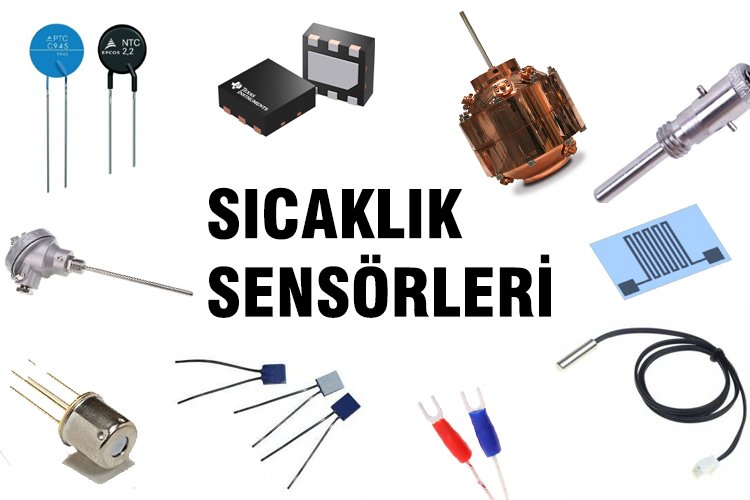
A temperature sensor is a device used to measure the ambient temperature. These sensors detect temperature changes based on various physical and chemical principles and convert them into electrical signals.
- Thermistors (NTC and PTC): Their resistance changes depending on the temperature change. They are usually low cost and sensitive.
- RTD (Resistance Temperature Detector): It shows resistance change in direct proportion to the temperature, and provides high accuracy.
- Thermocouples: They consist of a combination of two different metals and generates voltage when the temperature changes.
- Infrared (IR) Sensors: IR temperature sensors determine the temperature by measuring the infrared radiation emitted by an object. They provide non-contact measurement and are especially used for measuring the temperature of moving objects or long distances.
- Capacitive Temperature Sensors: These sensors measure the change in capacitance due to temperature changes. They are often used in microelectronic applications.
Areas of Use of Temperature Sensors
- Industrial Applications: Temperature control of machinery and equipment, monitoring of manufacturing processes.
- Home Automation: Smart thermostats, energy management systems.
- Health: Medical devices that measure body temperature and hospital equipment.
- Automotive: Monitoring of engine temperature and air-conditioning systems.
- Scientific Researches: Laboratory temperature measurements, experimental mechanisms.
Pressure Sensors
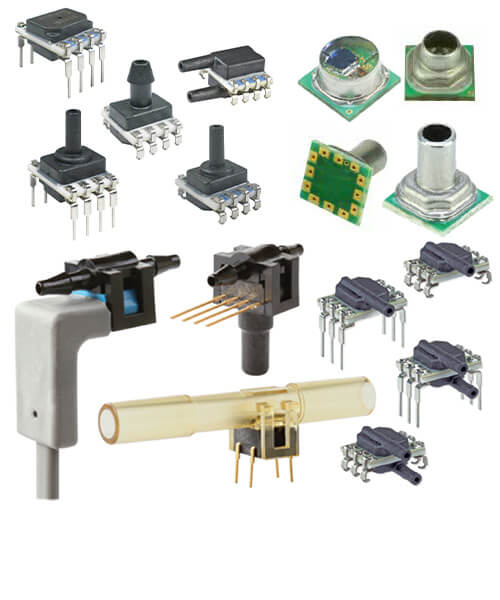
Pressure sensors are the devices used to measure the pressure in an environment. These sensors usually measure the pressure of a gas, liquid or medium, and convert this information into an electrical signal. Pressure sensors play a critical role in various industrial and commercial applications and have many different types.
- Piezoelectric Sensors: They generate an electric charge depending on the pressure. They are usually used in applications that require high precision.
- Capacitive Pressure Sensors: They detect the pressure as the distance change between two capacitive plates.
- Strain Gauge Sensors: When pressure is applied to a strain gauge, the resistance of the gauge changes. This resistance change is measured as pressure.
- Optical Pressure Sensors: Pressure changes the properties of optical signals (light or laser). These changes are measured and the pressure value is determined.
- Digital Pressure Sensors: They measure the pressure by converting analog signals into digital signals and provide digital output.
Areas of Use of Pressure Sensors
- Industrial Automation: They ensure the safe and efficient operation of equipment in production lines and process control systems.
- Automotive: They monitor the pressure of engine and fuel systems and are used in safety systems.
- Aerospace: They are used in aircraft and rocket systems, monitoring atmospheric pressure and internal pressure.
- Medical: In medical devices, especially in blood pressure meters and respirators.
- Environmental Monitoring: They are used in weather stations and water pressure monitoring systems.
Light Sensors
Light sensors are the devices used to measure the intensity or brightness of light in the environment. These sensors detect light changes and convert this data into an electrical signal.
- Photodiodes: They generate electrical current based on the amount of light. They usually have fast response times.
- Phototransistors: When the light falls on the phototransistor, the conductivity of the transistor changes. This change is measured as an electrical signal.
- LDR (Light-Dependent Resistance): It shows the change in resistance depending on the light intensity.
- Photovoltaic Cells (Solar Cells): The light generates electrical energy in photovoltaic cells. This energy is used as a direct measurement.
- Laser Light Sensors: They measure light reflection using laser beams. The amount of reflection gives information about the intensity of light.
- Color Sensors: Color sensors detect different wavelengths of the light spectrum and distinguish multiple colors.
Areas of Use of Light Sensors
- Automatic Lighting: They control night or daytime lighting systems by detecting daylight.
- Photography: On cameras, they provide light measurement necessary to make the correct exposure settings.
- Environmental Monitoring: In weather stations, they are used to monitor daylight and cloud cover.
- Construction and Architecture: They are used in daylight design and indoor lighting control systems.
- Medical: Light sensors are used in devices that measure oxygen saturation (like pulse oximeters).
Motion Sensors
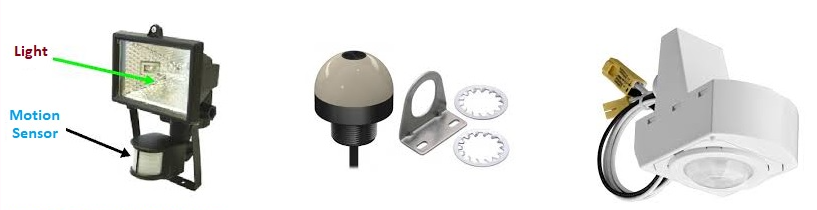
A motion sensor is a device used to detect the movement or displacement of an object. These sensors usually detect physical movements and convert this data into an electrical signal, which is used in various applications.
- Accelerometers: They measure speed and direction of movement. They are usually used in mobile devices and automobiles.
- Gyroscopes: They measure rotational movements and are often used in drones and stabilization systems.
- PIR (Passive Infrared) Sensors: PIR sensors detect infrared radiation emitted from the human body or other hot objects. These sensors determine the movement by detecting temperature changes in the environment.
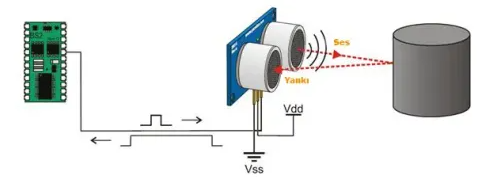
- Ultrasonic Sensors: Ultrasonic sensors measure the distance using sound waves. A moving object changes the reflection of sound waves, which allows the motion to be detected.
- Microwave Sensors: Microwave sensors send electromagnetic waves at high frequency and measure the reflection of these waves from objects. Moving objects change the amount of this reflection.
- Capacitive Sensors: Capacitive sensors measure the distance between two capacitive plates. The movement affects this distance change.
Areas of Use of Motion Sensors
- Security Systems: The motion sensors are used for triggering security cameras or alarm systems. They can be especially effective at night and in low-light conditions.
- Automatic Lighting: They automatically turn the lighting systems on or off when motion is detected. Thus, they save energy.
- Automotive: They are used in vehicles, parking assistant systems or security systems.
- Industrial Applications: They are used to monitor the movement of objects on production lines and create automatic control systems.
- Consumer Electronics: They are used for motion detection on mobile devices, game controls and smartphones.
Humidity Sensors:
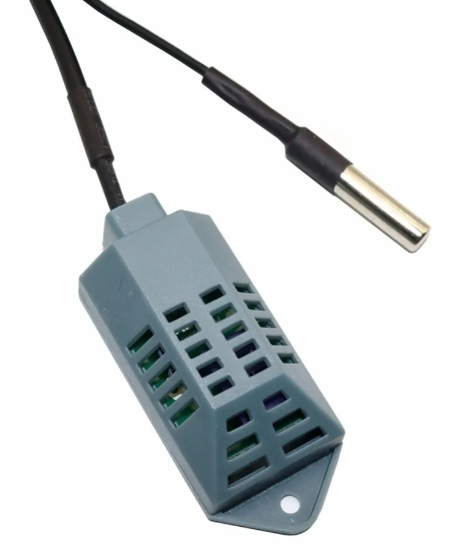
A humidity sensor is a device used to measure the amount of moisture present in the environment. Humidity usually refers to the density of water vapor in the air and is an important parameter in various applications. Humidity sensors measure this amount of water vapor and convert the data into an electrical signal.
- Capacitive Humidity Sensors: They measure the humidity level as a capacitance change. They are usually used for measuring atmospheric humidity.
- Hygrometers: This is another type of sensor that measures the humidity level and is often used to monitor weather conditions.
- Resistive Humidity Sensors: Humidity changes the resistance of the sensor. This resistance change is used to measure the humidity level.
- Optical Humidity Sensors: Humidity changes the properties of optical signals (light or laser). By measuring these changes, humidity levels are determined.
- Digital Humidity Sensors: Digital humidity sensors provide humidity measurement by converting analog signals into digital signals, and offer digital outputs.
Areas of Use of Humidity Sensors
- Weather Monitoring: They are used to monitor weather conditions and make weather forecasts.
- HVAC Systems: They are used to control the ambient humidity in heating, ventilation and air-conditioning systems.
- Agricultural Applications: Monitoring of agricultural products and soil moisture, control of irrigation systems.
- Industrial Processes: Humidity control and quality management in manufacturing processes.
- Medical Devices: Monitoring the ambient humidity in respirators and other medical devices.

Gas Sensors:
Gas sensors are the devices used to detect and measure various gases in the environment. These sensors play a critical role in environmental monitoring, safety systems, industrial control and many other applications by determining the gas concentrations. Gas sensors use different principles and technologies to detect various gases.
- Catalytic (Alkaline) Gas Sensors: Catalytic sensors measure the temperature changes that occur during the combustion of certain gases. A heater inside the gas sensors heats up with the combustion of gas, and this temperature change indicates the gas concentration.
- Electrochemical Gas Sensors: Electrochemical sensors measure the electrical changes that occur as a result of the reaction of gases with an electrode. The voltage change that occurs in the electrodes depending on the gas concentration is used as the output signal of the sensor.
- Infrared (IR) Gas Sensors: Infrared sensors use the properties of gases to absorb infrared light at certain wavelengths. The gases absorb a certain part of the IR light, creating a signal change in the sensor.
- Semiconductor Gas Sensors: Semiconductor sensors work by changing the electrical properties of semiconductor materials with gases. The resistance of the sensor varies depending on the gas concentration.
- Optical Gas Sensors: Optical sensors use the optical properties of gases (for example light absorption or reflection). The degree of light absorption of gases is measured by the sensor and the gas concentration is determined.
- Ultrasonic Gas Sensors: Ultrasonic sensors work on the principle that gases affect the propagation speed of sound waves. The speed of propagation of sound waves varies depending on the gas concentration.
Areas of Use of Gas Sensors
- Security Systems: They are used to detect gas leaks and issue related warnings. They are especially critical in the detection of flammable or toxic gases.
- Air Quality Monitoring: They are used to monitor environmental air quality and measure air pollution.
- Industrial Control: They are used to monitor and control gas concentrations in industrial processes.
- Automotive: They are used in monitoring the exhaust gases and emission control systems of vehicles.
- Medical: They are used to monitor and control the concentration of medical gases.