



LED TECHNOLOGIES SALES OFFICER
The Ultraviolet (UV) LED Market is Expanding
Ultraviolet (UV) LED has been aggressively expanding in the market in recent years with its extensive areas of use. The ultraviolet (UV) LED market has grown five-fold in the last decade. It is estimated that these figures will reach a growth rate of 39% in 2020, and over $1B by 2025.
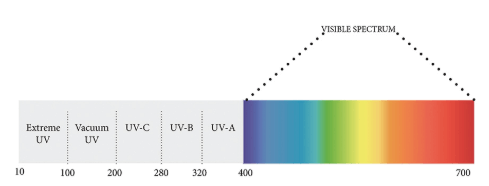
Ultraviolet (UV) light is an important part of the electromagnetic spectrum with wavelengths ranging from 10 nm to 400 nm. Although this part of the spectrum lies outside the visible range of the human eye, some parts of UV rays can be detected by insects and birds.
The UV spectrum is divided into three separate subsections:
1) UV-A: 315 -400 nm (aka long wave UV):
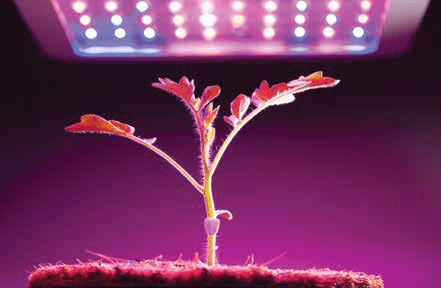
It is often referred to as “black light”. UV-A light has the longest wavelength in the UV spectrum and is considered the least harmful one. It is mainly used for applications in fake detection and forensics, but also has areas of use in the field of agriculture, since it has the ability to trigger plant responses.
2) UV-B: 280 – 315 nm (aka mid wave UV):
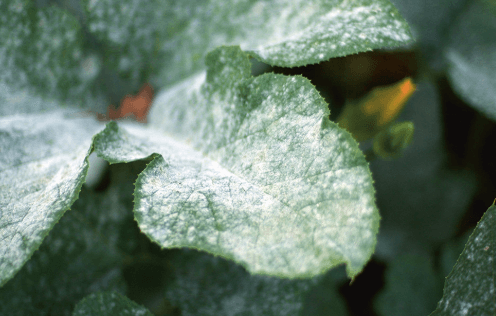
About 95% of UV-B is absorbed by the atmosphere and is often known for being associated with an increased risk of skin cancer. However, in addition to triggering plant responses that increase flavonoids and cannabinoids, it has been observed to have antimicrobial effects, including dealing with agricultural infections and pests such as powdery mildew or spider mites.
3) UV-C: 100 – 280 nm (aka short wave UV):
UV-C, almost all of which is absorbed by the atmosphere, is widely used for its antiseptic effects.
UV LED APPLICATION AREAS
Today, UV LED applications include:
● 230 – 400 nm range: optical sensors and instrumentation
● 230 – 280 nm range: UV ID control, barcodes
● 240 – 280 nm range: sterilization of surface areas and water
