


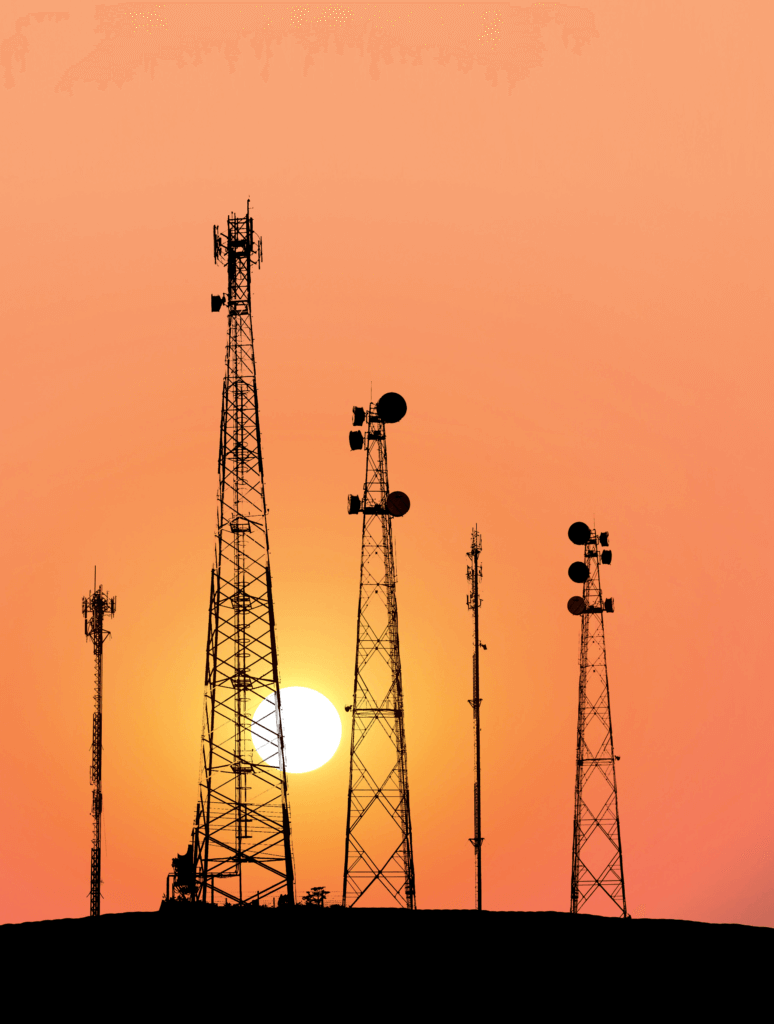
We hear the definition of radio frequency (RF) in many fields today. Almost everyone knows that the devices such as mobile phones and televisions work with radio waves. In fact, the term radio frequency, which forms the basis of wireless communication technologies, is an individual branch of science in itself. It also forms the basis of wireless communication. Radio frequency is one of the most preferred methods of communication with wireless communication. Electromagnetic waves are at the forefront of RF communication. The frequency band is determined according to the frequency allocation table determined by the Information Technologies and Communication Authority. Only the certain parts of these band range can be used in data transfer and communication applications.
In RF communication systems, an antenna that will emit the RF signal in the best way and is compatible with the wavelength of the frequency generated should be preferred.
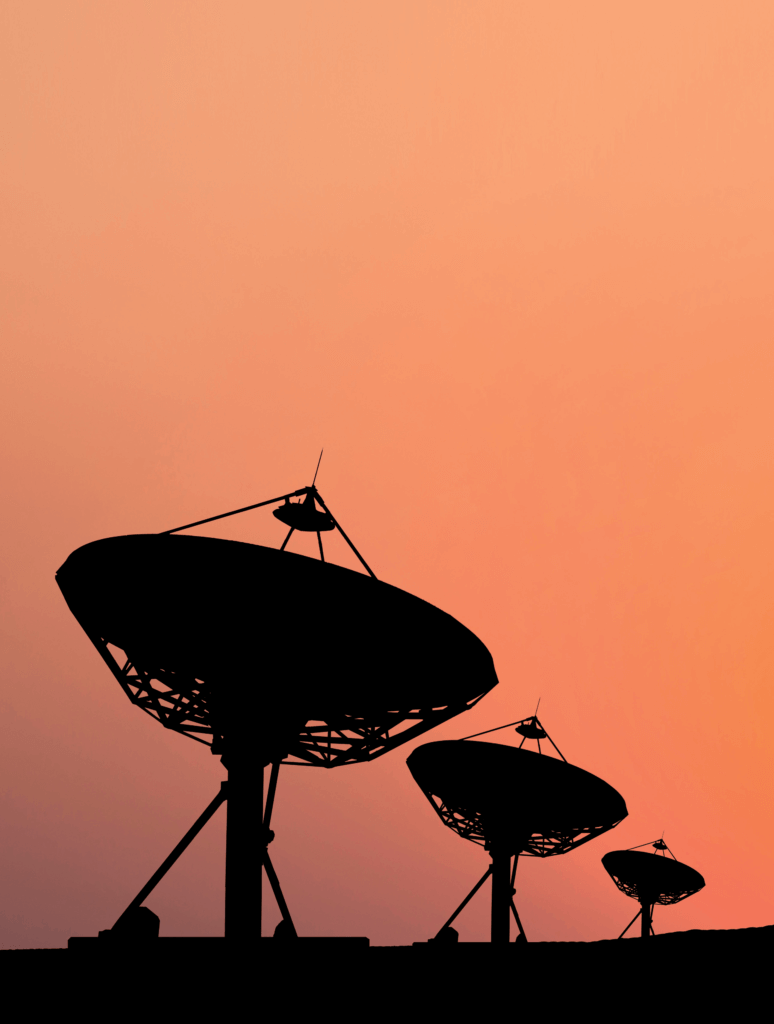
The first rule in wireless communication is the efficient propagation of the signal. Because in order to communicate, the relevant radio signals must be reaching the current point. Therefore, in RF communication systems, an antenna that will emit the RF signal in the best way and is compatible with the wavelength of the frequency generated should be preferred. Antennas are one of the passive circuit elements. Their main principles are to emit radio frequency signals into the air and transmit them to the opposite receiver. When antenna transmitters of wrong sizes are preferred, the result will fail. Because, the signal cannot spread at the desired rate.

The ionosphere is a very important atmospheric layer in terms of radio wave propagation
Have you ever wondered why the emitted signals do not disappear in the universe? The answer is hidden in the ionosphere layer, which is located at an altitude of about 60 km to 1100 km from the earth. Thanks to ionosphere, these signals are not lost in the universe and return to the earth by reflection. It is necessary to get to know the structure of the ionosphere closely in order to determine and calculate in advance the extent to which it will affect radio waves. The intensity of the sun’s rays, the difference between day and night, and even the seasons, can affect the structure in the ionosphere layer. The changing electron density determines the effect of the ionosphere on radio waves.
It is necessary to get to know the structure of the ionosphere closely in order to determine and calculate in advance the extent to which it will affect radio waves.
