


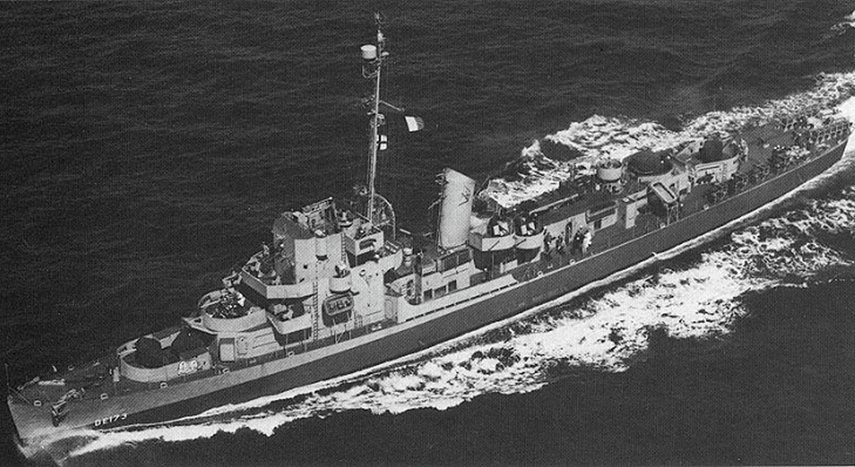
The Philadelphia Experiment is a “controversial” experiment allegedly carried out by the US Navy on the USS Eldridge ship in 1943, which tried to hide the ship from radar screens and physical observations through electromagnetic fields. In this article, the scientific basics of the experiment, contradictory aspects of the claims and modern applications of electromagnetic waves are discussed. Also, the current scientific status of invisibility technologies will be assessed.
1. The Historical Context of the Philadelphia Experiment
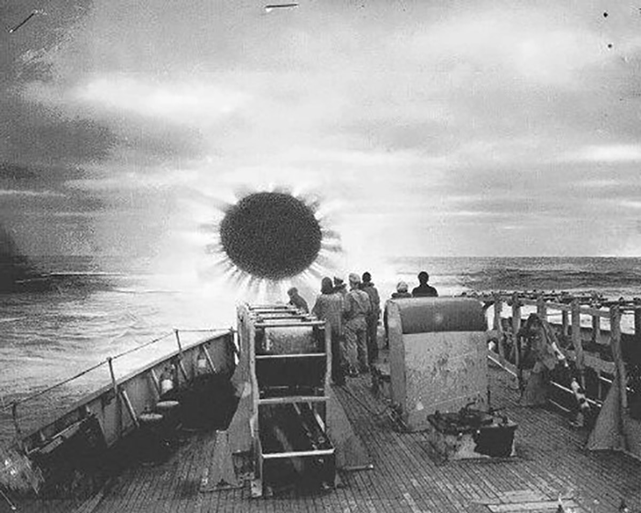
The Philadelphia Experiment originated as a military project that was allegedly developed based on the effects of electromagnetic radiation and the use of radar technology. The purpose of the experiment was to create an intense electromagnetic field around the USS Eldridge ship in order to hide the ship from both radars and potential observations. However, the claims also include extremely suspicious events from a scientific point of view, such as the ship being completely lost and “tele-ported”. The details of these events came to the agenda in the 1950s with the claims of a person named Carlos Allende, and have been a subject of controversy so far.
2. Scientific Basics of Electromagnetic Waves
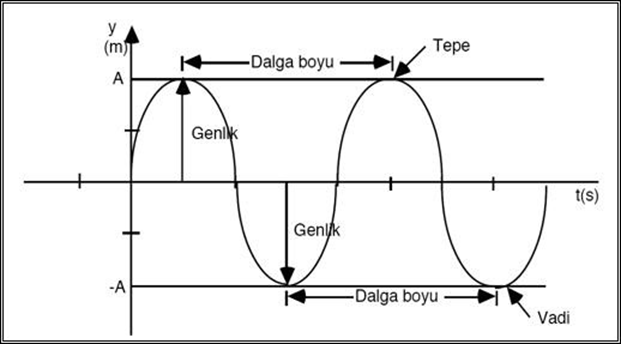
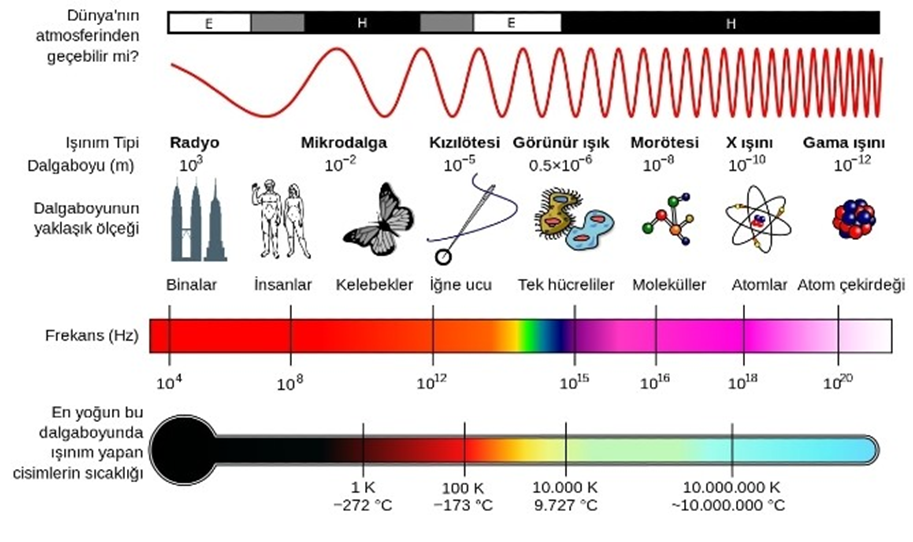
Electromagnetic waves are the waves formed by the perpendicular oscillation of electric and magnetic fields and traveling at light speed in space. These waves are classified in different regions depending on their wavelength and frequency levels (radio waves, microwaves, infrared, visible light, ultraviolet, X-rays, gamma rays). The effects of electromagnetic waves on a particular material depend on the electrical and magnetic properties of the material.
Basic Applications of Electromagnetic Waves:
- Radar Systems: Locating the objects by reflecting radio waves.
- Meta materials: Artificial materials with the potential to hide objects by bending light and other electromagnetic waves.
- Electronic Devices: Transmission of information through the transmission and absorption of electromagnetic waves.
3. Evaluation of the Experiment from a Scientific Perspective
The claims regarding Philadelphia Experiment do not seem compatible with the level of scientific knowledge and technology of the middle of the 20th century:
- Energy Requirement: Creating an electromagnetic field with a density that will surround an object the size of a ship requires energy levels that cannot be reached with the technology of that era.
- Quantum Mechanics: Teleporting a subject from one point to another (“\u00teleportation”) bears scientific issues even for today’s quantum level.
4. Modern Invisibility Technologies

Radar and physical invisibility claims put forward regarding Philadelphia Experiment are currently being studied theoretically through meta-materials.
- Meta-materials and Light Bending: Meta-materials are structurally designed materials that can direct electromagnetic waves in a desired way. With these materials, the light reflected on an object can be made invisible by bending it to a large extent.
- Radar Absorbing Materials (RAM): In military applications, materials that provide invisibility by absorbing radar waves are used.
- Magnetic Field Effects: The effects of intense magnetic fields on humans and mechanical structures are well known, but the alleged phenomena do not correspond to these effects.
5. Conclusion

The Philadelphia Experiment is considered more of a myth that feeds popular culture with its scientifically unsupportable claims. However, using electromagnetic waves and meta-materials in scientific researches has been an important inspiration for achieving “invisibility” and “advanced radar technologies”. Advances in this regard may make it possible for more interesting applications to appear in the future.
