


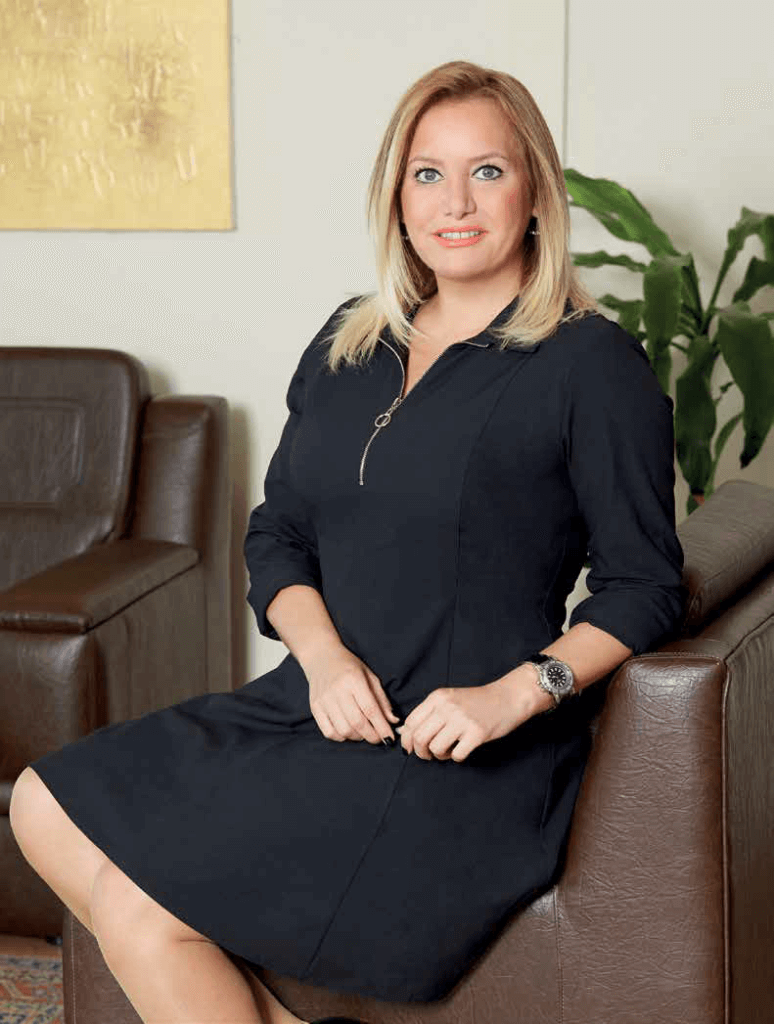
Import and logistics are one of the most important stages of the supply chain for distributor companies. We met with Sena Yilmaz, Import and Logistics Manager of Ozdisan Elektronik, the leading electronic component distributor in Türkiye, and discussed the general condition of the sector and business processes. Yilmaz mentioned the importance of price stability in import activities and made assessments about the Authorized Economic Operator (AEO) Status.
First of all, can we get to know you a little? Could you tell us a bit about yourself?
I was born in Istanbul in 1981. I am a graduate of Istanbul University Tourism Administration. I have been working at Ozdisan Elektronik, which I met when I was an 18 year old student, for about 20 years.
How and when did your paths cross with Ozdisan Elektronik?
When I was a student, I was looking for a job to work part time. Actually, since I was a tourism student, working at a travel agency or hotel was more suitable for me. Nevertheless, I started working as a telephone operator at Ozdisan Elektronik. I continued my duty as an Administrative Assistant, then Import & Export Supervisor and Import & Export Manager afterwards for about 8 years. And now I am the Import and Logistics Department Manager.
You have been working at Ozdisan Elektronik for a long time. Is there any disadvantage in working at a company for such a long time?
Honestly, I have not encountered any disadvantages in working for the same company for a long time. On the contrary, I have been able to improve myself each year and the promotions I was granted have seriously increased my commitment and loyalty to the company.
Can you tell us about your job description and general responsibilities?
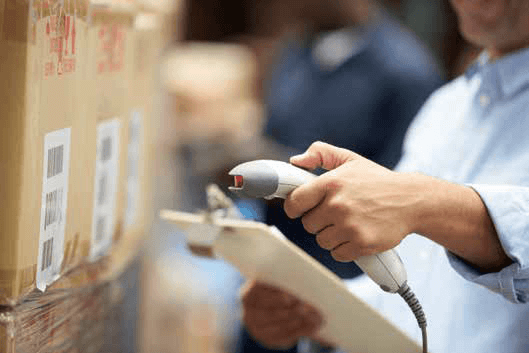
Ozdisan is the leading electronic components distributor in Türkiye. As a distributor company, the import department and the logistics operations connected are the most important link of our company’s supply chain. The process that begins with searching and finding the requested material continues with foreign purchases, orders and logistics operations, and ends with the completion of customs clearance and final shipment to the warehouse. At Ozdisan import department, our duty is to ensure the mutual flow of materials and material information between manufacturers or suppliers and our company smoothly. In this context, our basic strategy is to plan, operate, control and monitor operations at all procurement stages, as well as to perform purchasing operations that will increase our competitive power, organize operations and logistics processes, and ensure the functioning that will balance demand and supply.
“Import department and logistics operations in distributor companies are the most important links of the supply chain.”
What are you doing to ensure price stability in procurement?
There are some criteria that we apply to ensure price stability. The main aspects that we care about the most are;
- To maximize our bargaining power by reaching the current price information at the market and ordering in high quantities by combining the demands of common products that customers or regional markets call “common items”,
- To use this bargaining power to avoid possible allocation issues by making forward-looking terminally planned orders,
- To negotiate with logistics companies, especially airline and cargo companies, to make agreements that will ensure that freight charges remains stable for 6-month and yearly periods.
Are there any barriers to import activities that you want to be removed?
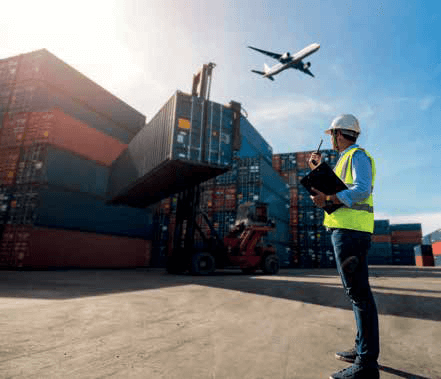
With the technical standards and regulations that must be followed in some products, some conformity assessment procedures (TAREKS, CE, TSE, etc.) are applied, which certify that the products subject to import are produced in accordance with these criteria. However, some measures are applied outside their intended use such as human health and safety, causing technical barriers for trade and negatively affect the free flow of international trade. Also, paying extra taxes in addition to the regular customs duty for the goods that are the subject to additional taxes or charges makes the import activities more costly. Although the purpose of this is to protect the domestic industry, the removal of additional taxes on the import of other component groups would be a good development. For example, the 20% SCT on speakers and microphones, the 20% additional customs duty on strip LEDs, the extra charges such as the TRT Bandrol imposed for some processors, or the Culture Fund that must be paid for the main boards and development kits significantly increase the import costs.
Can you give information about your logistics structure?
Import activities include logistics in addition to procurement, while logistics includes order management, foreign trade, customs and other activities related to cargo flow. While tracking, planning and operating all these activities, we strive to increase the profitability of both Ozdisan and our customers we serve to, by combining our high-quality services with low costs. In this regard, we have achieved important benefits for our companies in terms of logistics and freight, by ensuring that the price and priority cargo status advantage obtained on behalf of Ozdisan is applied to other DMY Group companies as well, in accordance with the agreements made with air, sea and road transportation agencies, as well as several express courier companies. Also, we have an ongoing application process for ISO 27001 and AEO (Authorized Economic Operator) documents. AEO was put in force in order to determine the people and institutions that the customs administration can trust in foreign trade transactions, reduce the control over these people and concentrate its resources on processes that require higher control. The Authorized Economic Operator is an international concept that provides certain convenience and privileges in customs procedures to reliable companies that fulfill their customs obligations, have a regular and traceable registration system, have financial competence, safety and security standards, and can do their own inspections. At Ozdisan Elektronik, we will have received our documents in the last quarter of 2018. Then we will be able to process the transactions much faster both in our import and export operations.
“At Ozdisan import department, our duty is to ensure the mutual flow of materials and material information between manufacturers or suppliers and our company smoothly.”
So how much do you ship per year? Which mode of transport do you use?
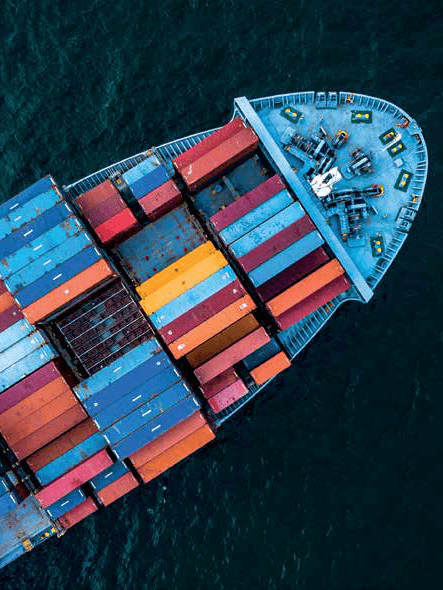
We have about 3000 import transactions annually, including air, land, sea and express courier transportation. 1000 m3 loading by sea and 500 m3 loading by road are organized. Approximately 800,000 kg cargo are loaded annually for European and Far Eastern markets by air transportation. For this reason, we have made an agreement with Turkish Airlines to get a fixed price and priority cargo status for a total of 750,000 kg/year cargo, especially for the Far East markets. In addition to the standard loading models, we also prefer land + air or sea + air transportation modules for our customer-specific transportation works.
What kind of services do you get from logistics companies?
Upon the loading instructions are given, the shipping companies organize the loading through their agents in the area of departure. As a forwarder, we first of all prefer a strong and reliable company in every respect that we can entrust our cargo to.
According to which criteria do you choose your logistics business partners?
When determining our business partners, we have criteria such as accurate and timely information flow in the logistics tracking and operation process of loads, fast solution capability against possible problems that may occur in the load, and keeping our average loading costs to a minimum by fixing the cost based on the service they provide. Also, having a global agency network is one of the reasons we take into consideration when selecting an agent.
