


Electric Vehicles (EVs) are becoming increasingly popular as environmentally friendly transportation alternatives. These vehicles are powered by electrical energy instead of internal combustion engines and contain more types of electronic components than those in conventional vehicles. So, which electronic components are used in electric vehicles and what functions do they perform?
Battery and Battery Management System (BMS)
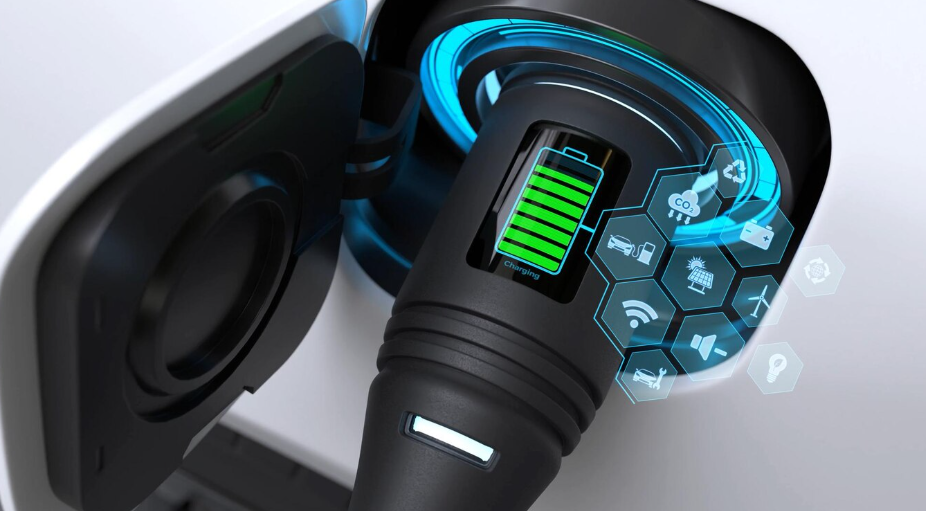
The heart of electric vehicles is the battery system. These batteries store the energy that enables the mobility of the vehicles. Lithium-ion batteries are usually used. A Battery Management System (BMS) is necessary for the efficient and safe operation of these batteries. BMS monitors the battery’s charging status, voltage, temperature and health status, prevents over-charging or over-discharging, as well as ensures a long battery service life.
Electric Motor and Control Unit
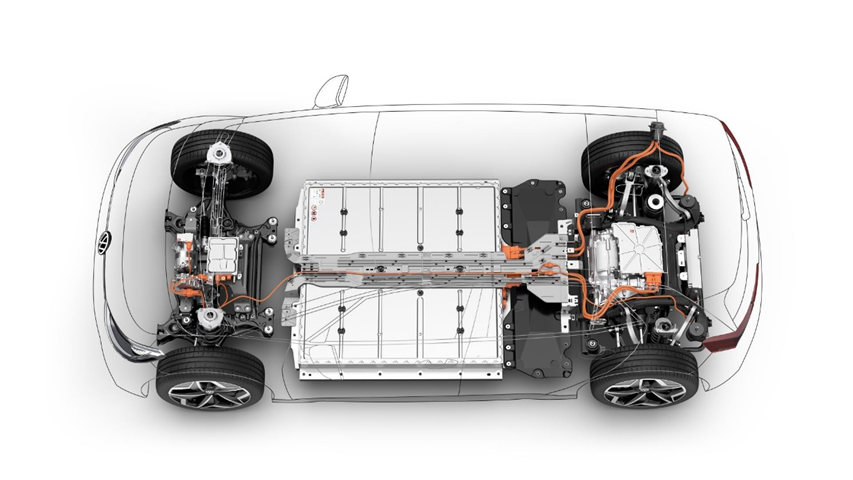
Electric motors drive and move the vehicle by converting the electrical energy they receive from the battery into mechanical energy. An Engine Control Unit (ECM) is used for these engines to operate efficiently. ECM determines the speed, torque and direction of the motor. It also regulates the electricity from the battery, based on the needs of the motor.
Charging System
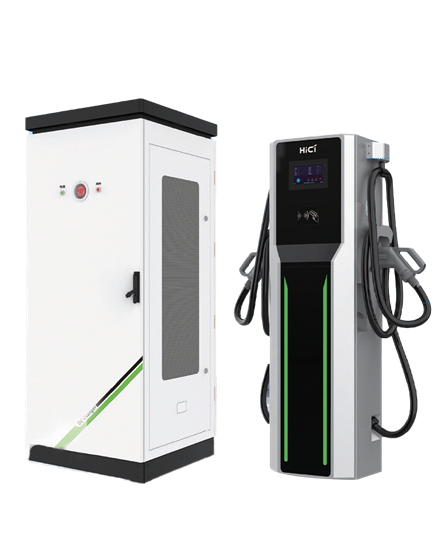
There are several electronic components used to charge the batteries of electric vehicles. The charging system can operate with either alternating current (AC) or direct current (DC) sources. These systems supply the appropriate voltage and current to the vehicle’s battery to ensure that a safe charging process is carried out.
Inverter
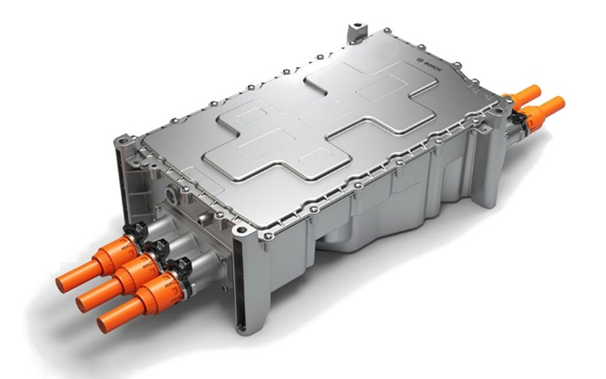
Electric vehicles receive direct current (DC) from the battery, while the motors run by alternating current (AC). The inverter converts the DC energy in the battery to AC energy, allowing the motor to efficiently run. This component plays an essential role in controlling the speed and torque of the vehicle.
DC-DC Converter
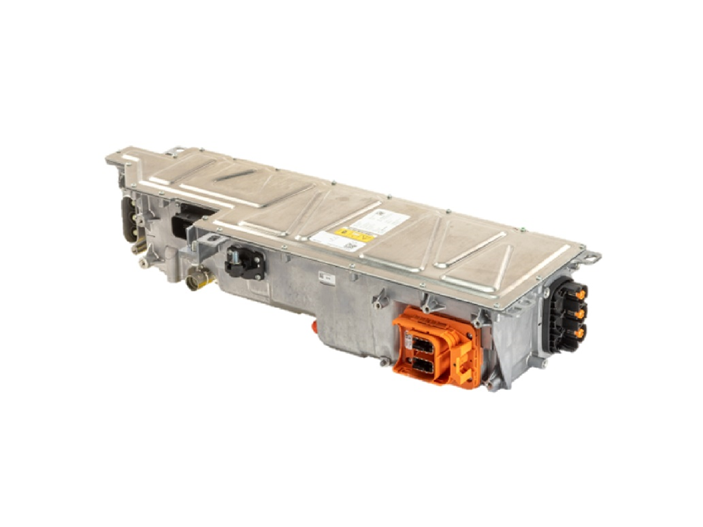
The battery usually runs at a high voltage, while many systems inside the vehicle run at a low voltage. The DC-DC converter converts high-voltage energy to a lower voltage, such as 12V, and transmits this energy to in-car systems. With this process, components such as headlights, sound system etc. operate smoothly and correctly.
Electronic Control Units (ECU)
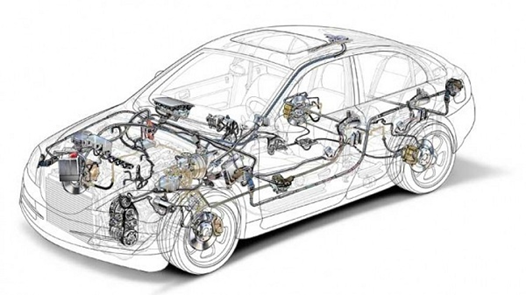
Electric vehicles are equipped with multiple Electronic Control Units (ECU) to ensure that different components can run harmoniously with each other. ECUs control the motor, brakes, steering and other critical systems. For instance, while there is a separate ECU that controls the speed and torque of the motor, the braking system works with its own special ECU.
Power Electronics and Regulators
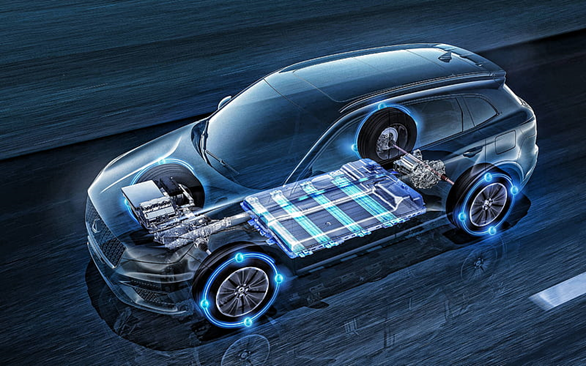
Power regulators and power electronics systems are used for power management in electric vehicles. These components ensure correct energy transmission. The energy flow from the battery to the motors is specifically regulated to guarantee that the voltage levels are stable.
Sensors and Detection Systems
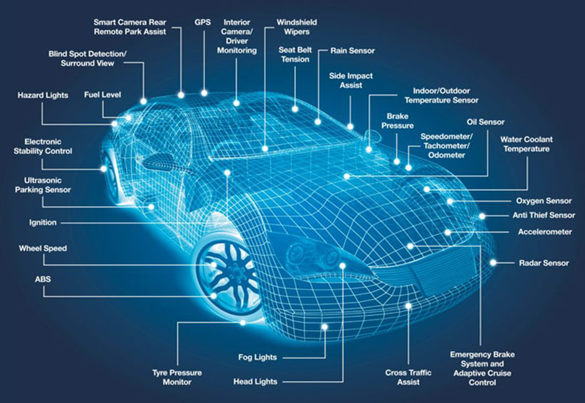
Electric vehicles are equipped with several different sensors and detection systems. These sensors carry out many functions, from monitoring the battery temperature to detecting the objects around the vehicle. Speed sensors and parking sensors are critical to improving driver safety.
Smart Charging Systems
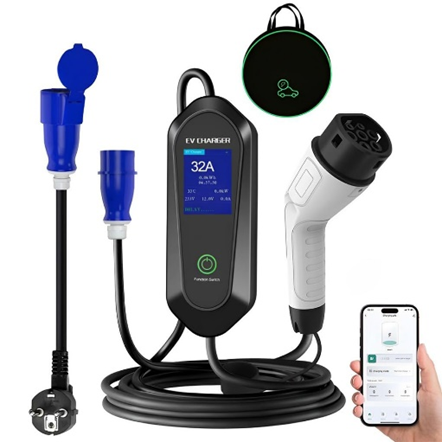
Electric vehicles optimize energy efficiency by using smart charging systems when charging their batteries. These systems ensure the correct operation of charging stations and guarantee the most efficient charging of vehicle batteries.
Sound and Warning Systems
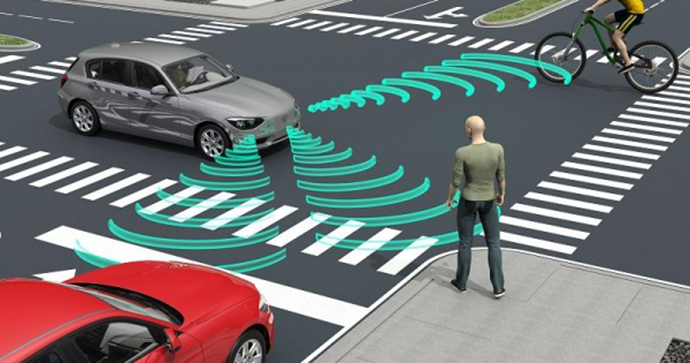
Since the motors of electric vehicles run very quietly, audible warning systems are used at low speeds. These systems allow people in the vicinity to hear the vehicle’s sound, improving safety for the pedestrians.
Data Communication Systems
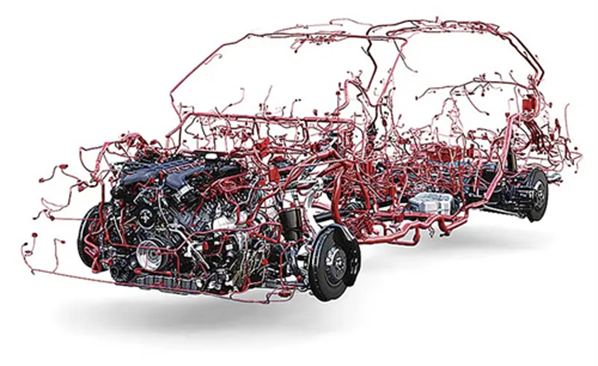
All systems in electric vehicles offer fast and reliable data communication. This communication is usually carried out via the Controller Area Network (CAN) bus protocol. With this protocol, all the control units in the vehicle quickly exchange information with each other and the systems run properly.
Conclusion
While the electric vehicles offer environmentally friendly and efficient transportation options, they also have a very complex structure in terms of the electronic components they are equipped with. The battery, motor, charging systems, sensors and all other components are critical parts that ensure the safe and efficient operation of the vehicle. The “success” of an electric vehicle depends on the proper integration of these components, as well as their correct operation. Therefore, the development of future electric vehicle technologies will focus on the further improvement of electronic components.
