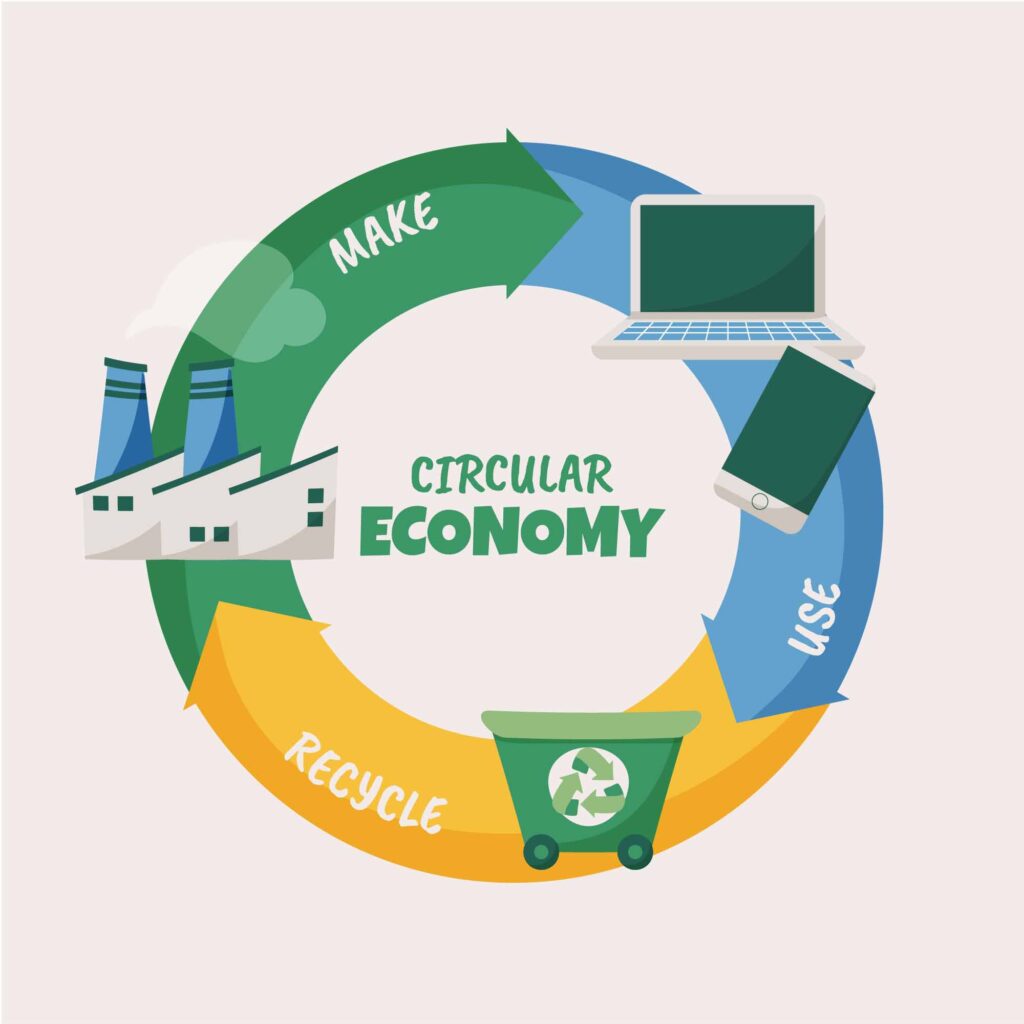
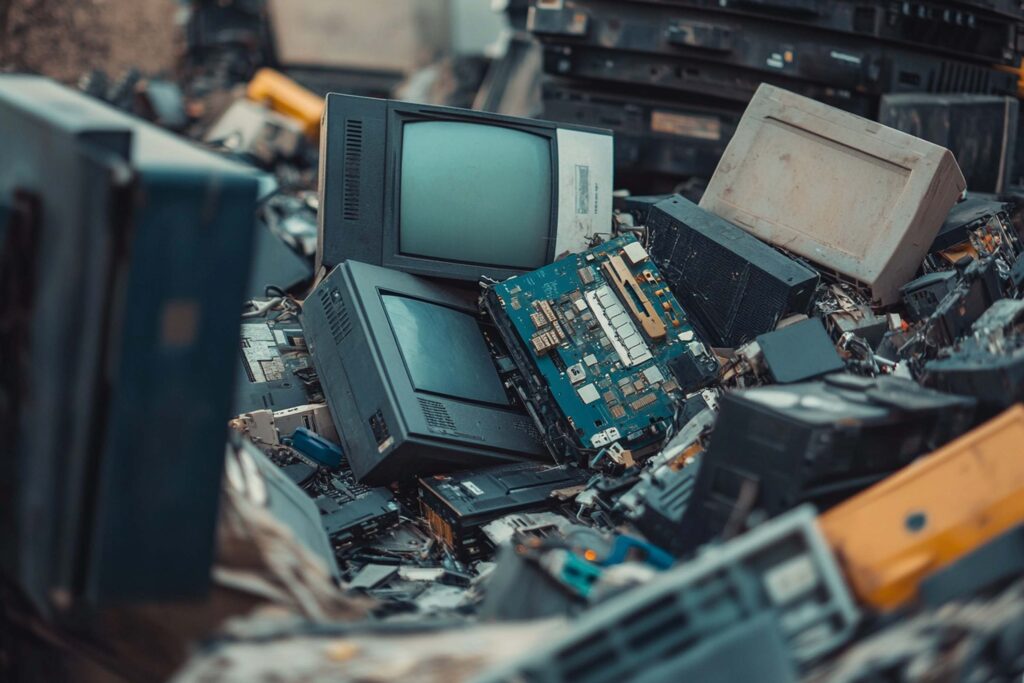
Electronic waste (e-waste) refers to electronic devices and equipment that are not used or function any more. Smartphones, computers, televisions, white goods, batteries and several other electronic devices are in the scope of e-waste. Due to rapidly increasing consumption of electronic products and the short service life of devices, the amount of electronic waste is increasing rapidly, leading to environmental and economic problems.
Damages of Electronic Waste
Substances Harmful to the Environment: Electronic waste may contain lead, mercury, cadmium and other hazardous chemicals. When these substances are not disposed of properly, they can harm both the environment and human health by mixing into soil, water and air. If they are not recycled, the economic value is lost and also the extraction of these metals through mining causes environmental destruction.
Increase in the Amount of Waste: The amount of e-waste is increasing globally every year. It is estimated that the annual e-waste production globally would exceed 60 million tons by 2023. A large part of this waste is thrown away without being recycled, creating huge mountains of garbage that take up huge space.
Recycling Technologies
By recycling electronic waste, environmental problems can be avoided and valuable raw materials can be put back into use. Recycling technologies aim to transform electronic waste into reusable materials through various steps without damaging the environment.
Manual Sorting and Shredding
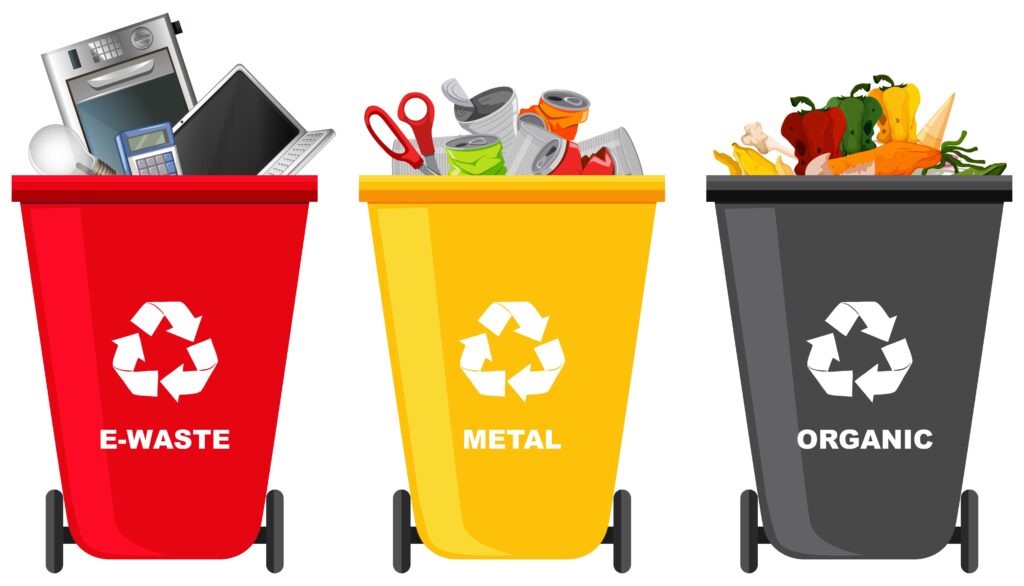
- At the first stage, the e-waste is separated manually and classified based on some categories. Then the large parts are mechanically divided into small parts. During this process, materials such as metal, plastic and glass are separated from each other.
- Recyclable metals are collected through methods such as magnetic separation and air classification.
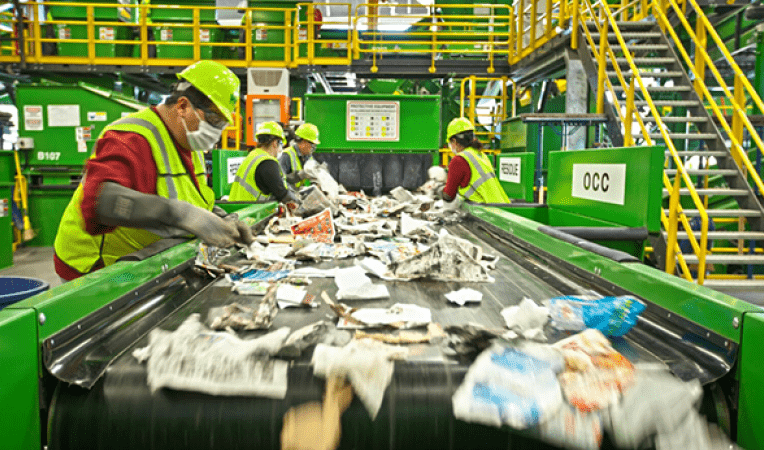
Crushing and Shredding
- The e-waste that is broken down is divided into smaller pieces by mechanical shredding machines. This process allows for easier separation of metals, plastics and other substances.
- The mechanical separation process allows the separation of various materials according to their size and density.
Pyrometallurgy (Processing with High Temperature)
- In this method, high temperatures are used to recover metals from electronic waste. By melting the waste, the metals are liquefied and separated from other materials.
- Pyrometallurgy is an effective method of recovering precious metals such as gold, silver and copper. However, it should be managed carefully due to its high energy consumption and environmental impacts.
Hydrometallurgy (Processing by Chemical Methods)
- This method separates the metals in e-waste using chemical solvents. Chemicals allow metals to dissolve, and be recovered by various methods.
- Using liquid solvents, metals such as gold, silver and copper are mixed with solvent, and decomposed/purified again. Hydrometallurgy is a method that can be carried out at lower temperatures and with less energy.
Recycling of Plastics
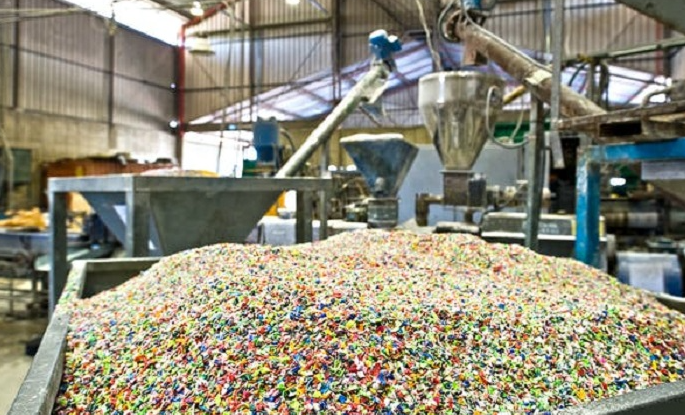
- Plastic parts in e-waste are broken off after being separated from metal and other materials and converted into reusable granular plastics.
- After plastics are recycled, they are re-processed to be used in new products. On the other hand, the types of plastics used in some electronic devices can be toxic and need to be handled carefully.
Recycling of CRT and LCD Display
- CRT televisions and monitors require a careful recycling process, as they contain lead and other hazardous substances.
- LCD screens, on the other hand, may contain mercury and therefore must be recycled by a separate process. The metals and glass in the screens are recovered.
Recycling of Batteries
- Rechargeable batteries, such as lithium-ion and nickel-cadmium, require particular care during recycling. These batteries carry a risk of explosion and fire due to their chemical components.
- Metals such as lithium, cobalt, nickel are recovered in the recycling of batteries. These metals can be used either in the production of new batteries or in other industrial processes.
Benefits of Recycling
Environmental Protection: Recycling of electronic waste prevents harmful chemicals from mixing with nature. Prevents contamination of soil and water resources.
Protection of Natural Resources: Recycling helps to protect natural resources. Metals and other materials from e-waste can be recovered and used in new products, reducing the need for further mining activities.
Energy Saving: Recycling requires much less energy than extracting and processing new raw materials. This in turn reduces overall energy consumption and carbon footprint.
Economic Contribution: Precious metals recovered from e-waste constitute an economically important resource. The recycling sector also contributes to local economies by providing additional employment.